The Connection Between Timepieces and Health Insights
- Robert Saeid Farivar
- 23 minutes ago
- 4 min read

In an age where technology dominates our lives, the humble wristwatch has evolved from a mere timekeeping device to a sophisticated health monitoring tool. As we become increasingly aware of the importance of health and wellness, timepieces have stepped up to provide valuable insights into our physical well-being. This blog post explores the fascinating connection between timepieces and health insights, highlighting how these devices can help us lead healthier lives.
The Evolution of Timepieces
From Simple Clocks to Smartwatches
Historically, timepieces were designed solely for telling time. The earliest watches were mechanical, requiring winding and careful maintenance. As technology progressed, quartz watches emerged, offering greater accuracy and reliability. The introduction of digital displays further transformed the landscape of timekeeping.
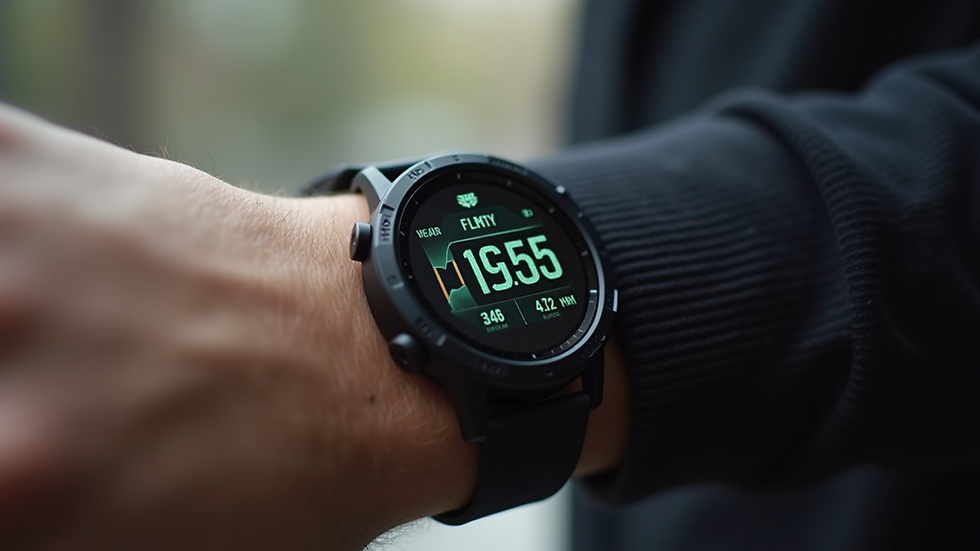
In recent years, the advent of smartwatches has revolutionized the industry. These devices not only tell time but also track various health metrics, including heart rate, sleep patterns, and physical activity. This shift has made timepieces an integral part of our health management.
The Rise of Health Monitoring Features
Modern smartwatches come equipped with a plethora of health monitoring features. Some of the most common include:
Heart Rate Monitoring: Continuous heart rate tracking helps users understand their cardiovascular health and adjust their fitness routines accordingly.
Sleep Tracking: By analyzing sleep patterns, smartwatches can provide insights into sleep quality, helping users improve their rest.
Activity Tracking: Step counters and exercise tracking motivate users to stay active and reach their fitness goals.
Stress Monitoring: Some devices can measure stress levels through heart rate variability, offering users tools to manage stress effectively.
These features empower users to take charge of their health in ways that were previously unimaginable.
Understanding Health Insights Through Timepieces
The Importance of Heart Rate Monitoring
Heart rate is a critical indicator of overall health. Smartwatches provide real-time heart rate data, allowing users to monitor their cardiovascular fitness. For example, during exercise, a higher heart rate indicates increased effort, while a lower resting heart rate can signify improved fitness levels.
Research shows that maintaining a healthy heart rate can reduce the risk of heart disease and other health issues. By regularly checking their heart rate, users can make informed decisions about their exercise routines and overall health.
Sleep Tracking for Better Rest
Sleep is essential for physical and mental well-being. Poor sleep can lead to various health problems, including obesity, heart disease, and depression. Smartwatches equipped with sleep tracking capabilities can analyze sleep patterns, providing insights into sleep quality and duration.
For instance, a smartwatch may reveal that a user is not getting enough deep sleep, prompting them to adjust their bedtime routine. By improving sleep quality, users can enhance their overall health and productivity.
Activity Tracking to Promote Movement
Sedentary lifestyles have become a significant health concern in modern society. Smartwatches encourage users to stay active by tracking daily steps and exercise. Many devices set daily movement goals, sending reminders to users when they have been inactive for too long.
Studies indicate that regular physical activity can reduce the risk of chronic diseases, improve mental health, and enhance longevity. By using timepieces to monitor activity levels, users can stay motivated and make healthier choices.
Stress Management Through Monitoring
Stress is a common issue that can negatively impact health. Some smartwatches offer stress monitoring features that analyze heart rate variability to gauge stress levels. By identifying stress triggers, users can take proactive steps to manage their stress.
For example, a smartwatch may suggest breathing exercises or mindfulness activities when it detects elevated stress levels. This integration of health insights into daily life can lead to improved mental well-being.
Real-Life Examples of Timepieces Enhancing Health
Case Study: A Fitness Enthusiast's Journey
Consider the story of Sarah, a fitness enthusiast who began using a smartwatch to track her health metrics. Initially, she focused on heart rate monitoring during workouts. Over time, she noticed that her resting heart rate was decreasing, indicating improved cardiovascular fitness.
Encouraged by this progress, Sarah also started using the sleep tracking feature. She discovered that she was not getting enough restorative sleep, prompting her to adjust her bedtime routine. As a result, she felt more energized and focused during the day.
By incorporating activity tracking into her routine, Sarah set daily step goals and found herself more motivated to stay active. The combination of these health insights transformed her approach to fitness and overall well-being.
Case Study: Managing Stress with Technology
John, a busy professional, struggled with stress and anxiety. After purchasing a smartwatch with stress monitoring capabilities, he began to track his stress levels throughout the day. The device alerted him when his stress levels rose, prompting him to take breaks and practice mindfulness.
Over time, John learned to recognize his stress triggers and developed coping strategies. The smartwatch not only helped him manage stress but also improved his overall mental health.
The Future of Timepieces and Health Insights
Innovations on the Horizon
As technology continues to advance, the future of timepieces looks promising. Upcoming innovations may include:
Advanced Health Metrics: Future smartwatches may monitor additional health metrics, such as blood glucose levels and hydration status.
AI Integration: Artificial intelligence could enhance health insights by providing personalized recommendations based on user data.
Improved Battery Life: Longer battery life will allow users to wear their devices continuously, maximizing health monitoring capabilities.
These advancements will further solidify the role of timepieces in health management.
The Role of Timepieces in Preventative Health
As awareness of preventative health grows, timepieces will play a crucial role in helping individuals monitor their health proactively. By providing real-time data and insights, these devices can empower users to make informed decisions about their health and well-being.
Conclusion
The connection between timepieces and health insights is undeniable. As smartwatches continue to evolve, they offer users valuable tools for monitoring their health and improving their quality of life. By embracing these technologies, individuals can take charge of their health, making informed choices that lead to a healthier future.
As you consider your own health journey, think about how a timepiece could enhance your understanding of your well-being. Whether it’s tracking your heart rate, monitoring your sleep, or encouraging you to stay active, these devices can be powerful allies in your quest for better health.
Comments